In this guide
- The Short Answer: Match the Submarket to the Way You Want to Live
- Why Utah County Isn't One Market
- Highland: Space, Privacy, and Room to Design
- Lehi: The Widest Range of Lots and Styles
- Provo: Character, Hillsides, and Infill
- Orem: Right-Sized Custom Homes in Established Neighborhoods
- Don't Forget the Neighbors: Alpine, American Fork, and Woodland Hills
- City Requirements: The Boring Stuff That Decides Everything
- Match Builder Strengths to Your Lot
- Style Follows Site
- A Simple Way to Narrow Your Search
- FAQ
- Final Thoughts
- Related articles
Listen, the best custom home builder in Utah County is the one whose experience matches your lot, your city's rules, and your style, and those three things change a lot between Provo, Orem, Lehi, and Highland. Hawkstone Homes is a fourth-generation family builder that designs and builds custom luxury homes in Alpine, American Fork, Highland, Lehi, and Woodland Hills, plus Herriman and Hurricane. So we'll be upfront: we know some of these submarkets deeply and others from the outside. Here's how to sort them out.
The Short Answer: Match the Submarket to the Way You Want to Live
| Submarket | Typical lot character | Common custom styles | What to verify first |
|---|---|---|---|
| Highland | Large, often a third of an acre to an acre or more | Estate, traditional, modern farmhouse, transitional | Zoning district, setbacks, slope, irrigation |
| Lehi | Wide range, from compact lots to view and acreage parcels | Contemporary, modern mountain, family-focused plans | HOA/design review, grading, utilities |
| Provo | Older infill lots plus east bench and hillside parcels | Craftsman, traditional, view-oriented hillside homes | Hillside rules, geotechnical needs, tear-down feasibility |
| Orem | Mostly built-out, moderate lots, infill and redevelopment | Updated traditional, modern farmhouse, right-sized custom | Lot dimensions, existing structure, neighborhood standards |
Treat those lot descriptions as general patterns, not promises. Every parcel is its own animal, and the city planning office has the final word on what's buildable.
Why Utah County Isn't One Market
Here's the thing. People search "Utah County custom home builders" as if the county were a single place. It's a string of very different communities packed between the Wasatch Front's mountains and Utah Lake.
Highland is a quiet, large-lot suburb. Provo is a university city with a historic core and a steep east bench. Orem is largely built out. Lehi is a fast-growing tech corridor with everything from tight subdivisions to hillside views.
Carl Jung said, "The privilege of a lifetime is to become who you truly are." A forever home works the same way. The place you build should fit who you already are, not force you to become someone else to justify the lot.
Highland: Space, Privacy, and Room to Design
Highland is a favorite for families who want a true estate feel without leaving Utah County. Many lots are large by Wasatch Front standards, which opens up design choices you can't get on a smaller parcel:
- Courtyard and U-shaped plans that wrap an outdoor living area
- Side-load or separated garages that keep the street view calm
- Single-level primary living with generous footprints
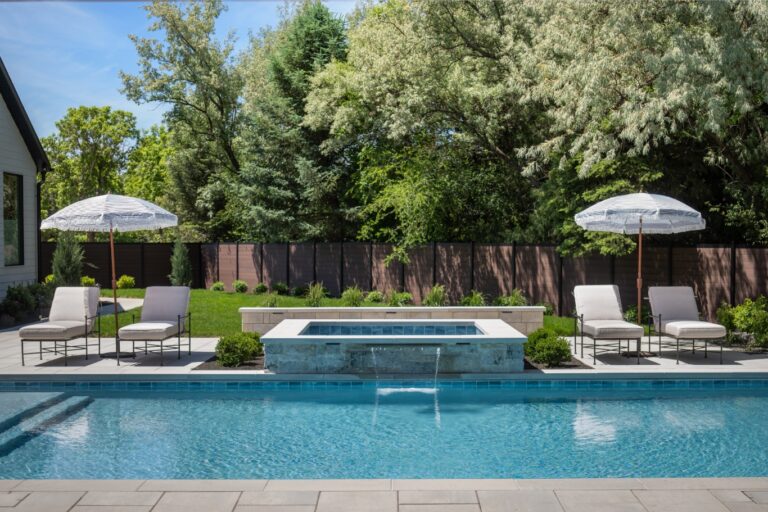
- Pools, sport courts, or guest casitas where zoning allows
Large lots also come with real homework. Setbacks, lot coverage, accessory building rules, pressurized irrigation connections, and grading all affect what you can put on the land. Some Highland parcels sit on slopes or near drainage that change foundation and site-work costs significantly.
Hawkstone Homes builds in Highland, and the pattern we see is that a bigger lot doesn't mean a simpler build. Buyers often assume it does. More land means more decisions about where the house sits, where the light falls, and how the home meets the yard.
Best fit for Highland: families who want privacy, outdoor living, and a home that can grow with them over decades.
Lehi: The Widest Range of Lots and Styles
Lehi is the most varied submarket on this list. You can find compact lots in newer master-planned areas, larger lots in established neighborhoods, and view parcels on the benches and hillsides. The right builder question in Lehi is less "who builds here?" and more "who's built on this kind of lot?"
Things that matter in Lehi:
- HOA and architectural review. Many neighborhoods have design guidelines covering materials, rooflines, colors, and sometimes minimum square footage. Get these before you fall in love with a plan.
- Grading and hillside conditions. View lots can mean retaining walls, walkout basements, and extra engineering.
- Growth and construction activity. Active areas mean more trade demand, so scheduling and sequencing deserve attention early.
- Style range. Contemporary and modern mountain designs are common here, alongside traditional and farmhouse homes.
Hawkstone Homes builds Lehi custom homes as well, and it's a market where design-first planning pays off. A narrower or sloped lot rewards a plan drawn for that exact site rather than adapted from a stock layout. That's the whole idea behind "designed, not repeated."
Best fit for Lehi: buyers who want modern or contemporary design, views, or proximity to the tech corridor and easy freeway access.
Provo: Character, Hillsides, and Infill
Provo is a different conversation. Between the university, historic neighborhoods, and the east bench against the mountains, you get architectural character you won't find in newer suburbs.
Custom building in Provo typically falls into two buckets:
- Infill or tear-down projects in established neighborhoods, where the challenge is fitting a new home respectfully into existing streets, setbacks, and utilities.
- Hillside and bench parcels, where views are the draw and geotechnical reports, slope rules, drainage, and foundation design drive the budget.
If you're considering a Provo custom home, ask early about hillside or sensitive-area requirements, soil conditions, and whether existing utilities can serve a larger home. Those answers can change a budget by a lot before a single drawing exists.
To be straightforward, Provo isn't on Hawkstone's current list of build communities. It's an area we respect, but we'd rather tell you that than imply experience we can't point to. If Provo is your target, ask any builder you interview for specific completed homes in the neighborhood you're considering, then go see them.
Best fit for Provo: buyers who want established character, walkable or close-in living, or dramatic bench views and are comfortable with a more involved site process.
Orem: Right-Sized Custom Homes in Established Neighborhoods
Orem is mostly built out, so custom building here usually means redevelopment: replacing an older home or building on a rare vacant lot. Lots tend to be moderate, which pushes design toward efficiency rather than sprawl.
That's actually a good thing. Smaller lots force clarity. Every room has to earn its place. A well-planned home on a modest lot, with good natural light, a real connection to a backyard, and storage where life actually happens, can feel far more luxurious than a bigger house with wasted space.
Key Orem questions:
- What are the exact lot dimensions and setback requirements?
- What's the condition of the existing home, and does demolition make sense?
- What do neighboring homes look like, and what does the city expect for compatibility?
- Are utilities adequate for the new home?
As with Provo, Orem isn't on Hawkstone's list of build communities. The advice still holds: ask for completed homes in similar infill conditions.
Best fit for Orem: buyers who value location and established neighborhoods over acreage, and who want a thoughtfully planned home rather than a big one.
Don't Forget the Neighbors: Alpine, American Fork, and Woodland Hills
Plenty of Utah County buyers start with Provo or Lehi and end up somewhere else once they see lot sizes and prices side by side. Three nearby communities are worth knowing:
- Alpine offers large lots, mountain views, and a rural feel. It also has sensitive-lands considerations, wildfire awareness, and water and irrigation details that deserve early attention. Alpine is also where the Patterson family's building story began, and Hawkstone's roots trace back to it.
- American Fork blends established neighborhoods with newer areas and gives you a wide range of lot types.
- Woodland Hills is a small, secluded community with a distinctly custom, hillside character.
Hawkstone Homes builds in all three, so these are the places where we can speak from direct experience rather than general observation.
City Requirements: The Boring Stuff That Decides Everything
Every city handles approvals differently. Before choosing a lot or builder, collect this checklist:
- Zoning district and minimum lot size
- Setbacks and maximum lot coverage or height
- Hillside or sensitive-lands overlays
- HOA or architectural review requirements
- Utility availability, including culinary water, pressurized irrigation, sewer, and power
- Geotechnical and soils requirements
- Impact fees and permit timelines
Rules and fees change, so confirm every item with the city and your design team instead of relying on a blog post, this one included. A good builder will walk through these with you before design begins, not after you've bought the lot.
Match Builder Strengths to Your Lot
Rather than ranking builders, look for fit. Here's what to ask any custom builder you're considering:
- Which neighborhoods have you built in recently? Local experience means familiarity with the city's inspectors, review process, and soil conditions.
- How many homes do you build per year? Capacity matters. Hawkstone Homes caps the number of homes it builds each year so the people leading your project aren't stretched across too many sites.
- When do costs enter the conversation? Hawkstone Homes provides cost analysis and feasibility guidance before design begins. A beautiful plan that doesn't fit your budget or your lot is just an expensive disappointment.
- How do you work with architects and designers? The strongest custom homes come from builder, architect, designer, and homeowner collaborating from the start.
- Can I see finished homes and talk to past clients? Ask for references. Then actually call them.
Notice none of this is about who's biggest or flashiest. It's about whether the people building your home understand your site and will tell you the truth about cost.
Style Follows Site
How the heck do you pick a style? Start with the land and the light, not Pinterest.
- Large, flat lots (Highland, parts of Alpine and American Fork) suit sprawling single-level plans, courtyards, and indoor-outdoor living.
- Hillside and view lots (Lehi benches, Provo east bench, Woodland Hills) suit walkout designs, big windows oriented to the view, and materials that settle into the landscape.
- Infill lots (Provo and Orem neighborhoods) suit compact, efficient, timeless designs that respect the street.
Timeless architecture, proportion, natural light, and honest materials age better than any trend. A home built around how your family actually lives, where you eat, where the kids do homework, where guests land, will outlast any style fad.
A Simple Way to Narrow Your Search
Here's a quick process. Seriously, you can start tomorrow.
- Write down how you live. Mornings, dinners, hosting, work-from-home, hobbies. Be specific.
- Pick two or three submarkets that fit your lifestyle and commute.
- Research zoning and requirements for each before touring lots.
- Interview two or three builders, asking the questions above.
- Get a feasibility conversation with real numbers before you commit to a lot or design.
FAQ
What's the best city in Utah County for a custom home?
It depends on what you want. Highland and Alpine suit buyers who want larger lots and privacy. Lehi offers the widest range of styles and lot types. Provo offers established character and hillside views. Orem suits right-sized infill homes in mature neighborhoods.
Which Utah County cities have the largest lots?
Highland and Alpine are generally known for larger residential lots, with many parcels well above typical suburban sizes. Always verify specific lot size and zoning with the city before purchasing.
Does Hawkstone Homes build in Provo or Orem?
No. Hawkstone Homes builds in Alpine, American Fork, Highland, Lehi, Woodland Hills, Herriman, and Hurricane.
How early should I talk to a builder?
Before you buy the lot, if you can. Early feasibility guidance on cost, zoning, and site conditions can prevent expensive surprises.
Do I need an architect for a custom home?
Most luxury custom homes involve an architect or designer. Their drawings are their intellectual property, so any builder should work with the architect's permission rather than sharing or reusing plans without clearance.
How long does a custom home take?
Timelines vary with size, site complexity, design time, and permitting. Hillside and infill projects often need more upfront planning. Ask any builder for a realistic schedule based on comparable projects.
Final Thoughts
Utah County rewards buyers who do their homework. Highland gives you space, Lehi gives you range, Provo gives you character, and Orem gives you location. None of them is "best" in the abstract. The best choice is the one that fits how you want to live for the next several decades.
If you're weighing lots or styles and want a straight conversation about cost and feasibility before design begins, Hawkstone Homes, a Patterson family builder with roots in Alpine, is happy to talk it through at https://hawkstonehomes.com/. Your vision, our legacy, and honestly, a good cup of coffee while we look at your lot.

Hawkstone Homes
Custom luxury home builder based in Alpine, Utah, building one-of-a-kind homes across the Wasatch Front and beyond.