In this guide
- The Short Answer: Match the Builder to the Lot
- Why Lot Type Matters More Than Square Footage
- Infill Lots: Tight, Close, and Watched
- Bench Lots: Slope, Soil, and Views
- Estate Lots: Acreage, Privacy, and Patience
- A Quick Comparison
- Questions to Ask Any Luxury Builder
- A Note on Sharing Your Build
- Why Family History Matters in a Builder
- FAQ
- Where to Go From Here
- Related articles
Listen, the best luxury builder for a Salt Lake City lot is the one whose crew, process, and capacity match what that specific piece of dirt demands. A tight infill parcel, a sloped East Bench lot, and a multi-acre estate are three different construction problems. Hawkstone Homes is a fourth-generation family builder that does custom luxury homes in Utah, and we build in Alpine, American Fork, Highland, Herriman, Woodland Hills, Lehi, and Hurricane. That's mostly Utah County, the south end of the valley, and southern Utah, so we'll be upfront that this guide is about how to evaluate builders on lot type, not a claim that anyone owns the Salt Lake market.
The Short Answer: Match the Builder to the Lot
- Infill lots (Sugar House, the Avenues, Yalecrest, Capitol Hill, Millcreek pockets) reward builders strong in logistics, neighbor relations, and historic or design-review approvals.
- Bench lots (the East Bench, Federal Heights, Holladay foothills, Emigration Canyon edges) reward builders strong in excavation, shoring, geotechnical coordination, and engineered foundations.
- Estate lots (large parcels along the foothills and in outlying areas) reward builders strong in site planning, long-run utilities, and managing a long, complicated schedule.
Most builders can do all three on paper. Few do all three well. Ask which lot type fills their portfolio, not which one is on their website.
Why Lot Type Matters More Than Square Footage
Here's the thing: people shop for builders by house size and finish level. "Six thousand square feet, high-end kitchen, done." But the lot decides a huge share of your cost, your schedule, and your stress.
Carl Jung said, "The meeting of two personalities is like the contact of two chemical substances: if there is any reaction, both are transformed." Same deal with a house and a lot. The site reacts with the design, and one of them changes. Smart teams let the lot lead. Weak ones fight it with change orders.
That's why we do cost analysis and feasibility guidance before design begins. You don't want to fall in love with a plan the lot can't afford. Whoever you hire, ask for that conversation before the architect draws a line.
Infill Lots: Tight, Close, and Watched
What the lot demands in design
Infill in Salt Lake City usually means a narrow or oddly shaped parcel, existing neighbors close on both sides, and a street that wasn't built for concrete trucks. Design has to work vertically and thoughtfully.
- Light is the luxury. On a tight lot, you borrow it: clerestory windows, courtyards, light wells, and careful window placement so you're not staring into a neighbor's kitchen.
- Massing matters. Setbacks, height limits, and compatibility with surrounding homes shape the form before taste does. Some neighborhoods carry historic overlay or design review, so confirm with the city's planning office before you buy.
- Every room has a purpose. Without extra acreage to hide mistakes, wasted hallways and unused formal rooms get expensive fast.
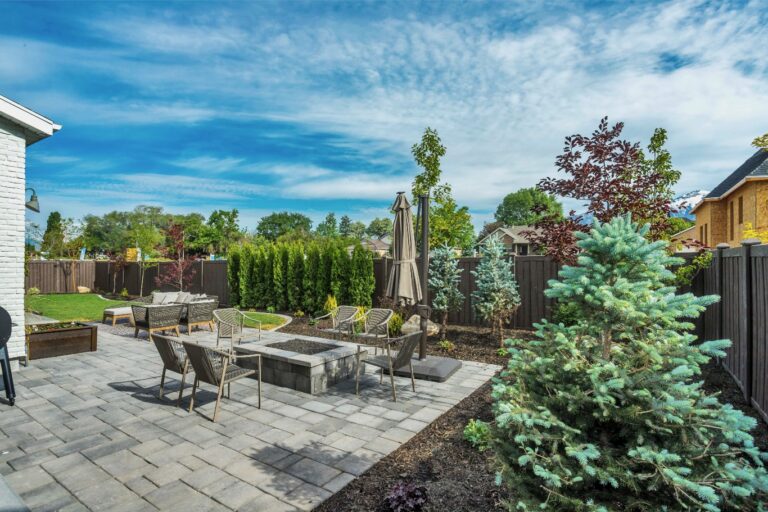
- Outdoor living gets compact. A well-designed courtyard or rooftop terrace can beat a big, exposed backyard.
What the lot demands in logistics
- Staging. Where does the dumpster go? The lumber delivery? Often the answer is the street, which means permits and neighbors.
- Shared walls and fences. Pre-construction surveys of neighboring structures protect everyone. Photograph existing conditions (your own property and public right-of-way) before you dig.
- Noise, dust, and hours. A builder with a plan for neighbor communication saves you from the angry-text-thread phase.
- Small crews, tight sequencing. There's no room for six trades tripping over each other.
How to vet an infill builder
- Ask for a completed infill project and talk to the neighbors if you can.
- Ask how they handle site staging when there's no yard.
- Ask who communicates with neighbors, and how often.
- Ask how they've handled a design-review or historic commission process.
Bench Lots: Slope, Soil, and Views
What the lot demands in design
The bench is where Salt Lake's views live. It's also where the ground gets interesting. Slope, drainage, and geologic conditions affect everything, and the area sits in an active seismic region, so engineering isn't optional.
- Design with the slope. Split-level and stepped plans often cost less and feel better than forcing a flat-lot design into a hillside.
- Orient for the view and the sun. South and west glass brings light and heat, so you plan overhangs, shading, and glazing deliberately.
- Retaining walls are architecture. They're structural, expensive, and visible. Treat them as part of the design, not an afterthought.
- Fire and wind. Foothill sites may carry wildland-urban interface considerations. Ask your architect and the local authority what applies.
What the lot demands in logistics
- Geotechnical work first. A soils report before design, not after. It can change foundation type, depth, and budget.
- Excavation and shoring. Steep sites often need specialty subs and more equipment staging than you'd think.
- Access. Narrow, winding roads limit truck size. Concrete pumps, cranes, and framing packages take planning.
- Weather. Winter on the bench is real. A schedule that ignores snow and mud isn't a schedule.
How to vet a bench builder
- Ask to see a hillside project at foundation stage, not just finished photos.
- Ask who their geotechnical and structural engineers are and how early they're involved.
- Ask how they budget for site work, which is the line item that surprises people most.
- Ask how they handle drainage, because water is the thing that eventually finds every mistake.
Estate Lots: Acreage, Privacy, and Patience
What the lot demands in design
Space solves some problems and creates others. With room to spread out, the temptation is to build big. Resist it. Big isn't the same as good.
- Site plan first. Where the house sits, how you arrive, and how the house relates to the land matter more than any single room.
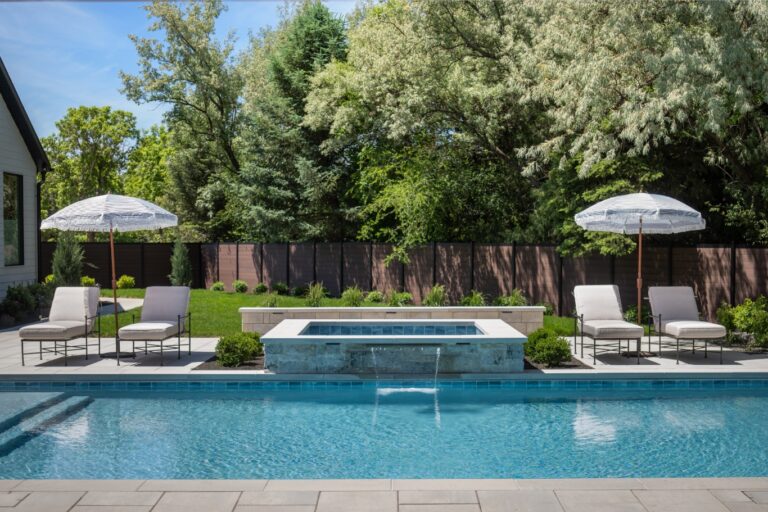
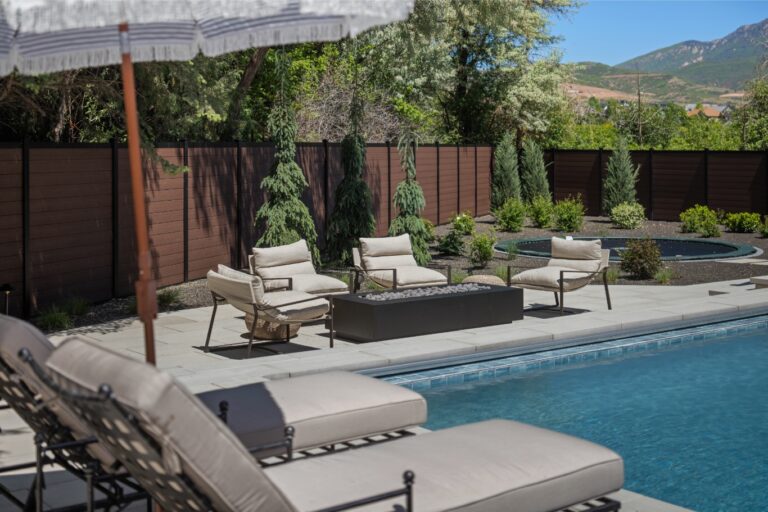
- Indoor-outdoor living at scale. Covered patios, outdoor kitchens, pools, and sport courts all need thoughtful placement and utilities.
- Multiple structures. Guest houses, garages, and workshops can be part of the plan from day one.
- Timeless over trendy. A house meant to last generations should be calm, proportional, and well-detailed.
What the lot demands in logistics
- Utilities. Long runs for water, power, sewer or septic, and gas can quietly cost a fortune. Confirm availability and cost before closing on land.
- Roads and access. Driveways, grading, and emergency access can be significant projects on their own.
- Longer schedules. More house, more trades, more decisions. Build in time for client choices, not just construction.
- Capacity. A builder running too many projects splits attention across all of them.
That last point is why Hawkstone caps the number of homes we build each year. An estate project needs a builder's actual attention, week after week. Whoever you choose, ask how many homes they're building at once and who is on your site daily.
How to vet an estate builder
- Ask for a completed project with comparable acreage and scope.
- Ask how they manage a long schedule and keep communication consistent.
- Ask who the day-to-day lead is and how many other projects that person runs.
- Ask how site work, utilities, and landscape are coordinated with the house build.
A Quick Comparison
| Factor | Infill | Bench | Estate |
|---|---|---|---|
| Biggest design challenge | Light and privacy | Slope and views | Site planning and restraint |
| Biggest logistics challenge | Staging and neighbors | Excavation and access | Utilities and schedule |
| Biggest budget surprise | Permitting and logistics costs | Site work and foundations | Infrastructure |
| Key early step | Survey and zoning review | Geotechnical report | Utility and access feasibility |
| Best builder trait | Neighbor communication | Hillside experience | Capacity and coordination |
Questions to Ask Any Luxury Builder
These work for any lot type.
- Do you provide cost and feasibility guidance before design? Early numbers keep the architect and your budget on speaking terms.
- How many homes do you build per year? There's no magic number. The answer tells you about attention and capacity.
- Who are your architects, designers, and trade partners? Luxury custom work is collaborative.
- Can I talk to past clients? Not just the glossy one. Ask about the messy parts.
- How do you handle changes? Every custom home has them. Ask for the process in writing.
- How do you communicate? Weekly updates, a single point of contact, and a clear schedule beat vague reassurance.
A Note on Sharing Your Build
Excited about your project? Awesome. A couple of ground rules before you post.
Architectural drawings, custom designs, and proprietary building techniques belong to the architect or designer. Don't share plans or detailed drawings online without their clearance, and a reputable builder won't post them without it either. Also be careful with job site photos and video. Footage that shows an active safety problem (missing fall protection, unsafe ladders, open trenches) can draw OSHA attention and fines, and it isn't the story you want attached to your home. Ask your builder what's okay to share and when.
Why Family History Matters in a Builder
Every builder says they care about legacy. A better test is whether the name on the truck has history in the place. Hawkstone grew out of the Patterson family, whose building roots began in Alpine, and that continuity shapes how we work: we expect to still be around, and still answerable, long after the keys change hands. Ask any builder you're considering about their own roots and what keeps them accountable.
FAQ
Who are the best luxury home builders in Salt Lake City?
There isn't one best builder, only a best match for your lot, budget, and timeline. Evaluate builders by their completed projects on lots like yours, their capacity, and their early-stage process, not by marketing.
How much does a custom home cost in Salt Lake City?
It varies widely by lot, size, and finish level, and site conditions can swing the total significantly. Get a cost analysis that includes site work, utilities, and permitting before you commit to a design. Be wary of any quote given before the lot is understood.
Is infill or a bench lot cheaper to build on?
Neither is automatically cheaper. Infill often costs more per square foot in logistics and approvals, while bench lots carry heavy excavation, retaining, and foundation costs. Estate lots can hide infrastructure expenses. Price the actual parcel.
How long does it take to build a luxury custom home in Utah?
Design and permitting often take several months before construction begins, and construction itself commonly runs a year or more depending on size and complexity. Hillside and estate projects tend to run longer. Ask any builder for a realistic schedule that includes weather and selection time.
Should I choose the builder before the architect?
Often, yes, or at least at the same time. Early builder input on cost and feasibility keeps the design realistic, especially on challenging lots.
What should I do before buying a lot?
Confirm zoning, setbacks, and any design review. Order a survey and, on slopes, a geotechnical report. Verify utility access and cost. Talk to a builder before you close, not after.
Where to Go From Here
Listen, the lot is the first design decision, and you make it before you hire anyone. So walk the land, ask the hard questions, and get real numbers early. That's living the dream: knowing what actually matters before the shovels show up. If you're weighing a lot in Utah and want an honest feasibility conversation, Hawkstone Homes would be glad to talk it through at https://hawkstonehomes.com/.

Hawkstone Homes
Custom luxury home builder based in Alpine, Utah, building one-of-a-kind homes across the Wasatch Front and beyond.